Droven.io cloud services is the topic this guide explains in plain language: what cloud computing is, which services it offers, and how to choose the right option for your business or personal use. If you store photos online, stream music, or use email in a browser, you already use the cloud. This guide explains what happens behind the scenes and how to use it well.
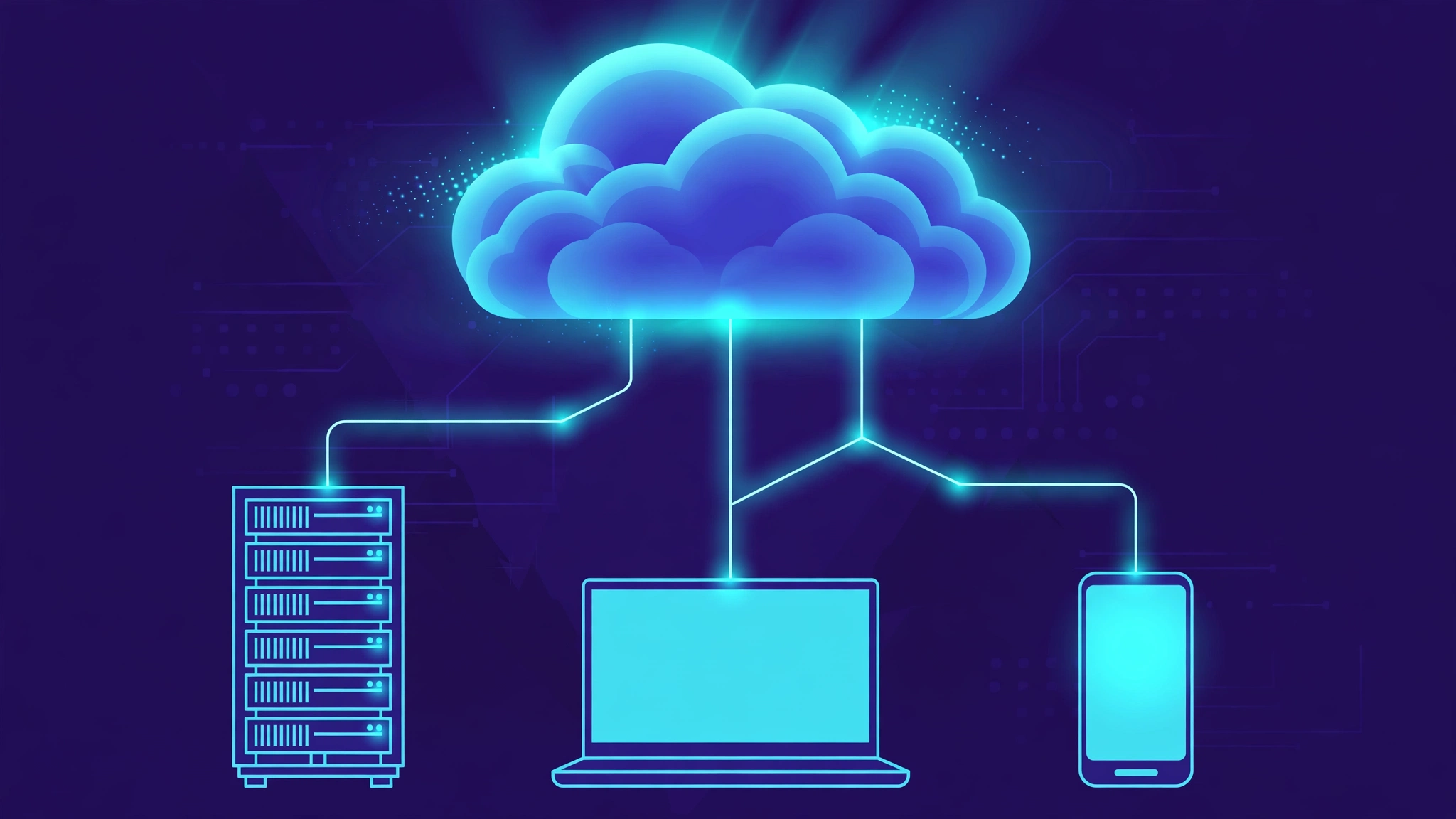
At its simplest, the cloud means using someone else’s computers over the internet instead of your own. When you save a file to cloud storage, it lives in a data center, not just on your device, so you can reach it from any phone or computer. When you use a cloud app, the software runs on remote servers and you access it through a browser.
The main types of cloud services
Cloud storage keeps your files safe and synced across devices, and it is the easiest cloud service to start with. Cloud software, such as online documents, email, and video calls, replaces programs you once installed. Cloud platforms let developers build and run apps without buying servers, and cloud infrastructure lets businesses rent computing power and scale up or down as demand changes.
For everyday users, storage and software matter most. For businesses, platforms and infrastructure matter more, because they remove the cost and effort of running servers. The Droven io ai automation in usa guide explains how US companies use cloud and automation together, and the droven.io ai solutions hub gathers business software in one place.
Why businesses move to the cloud
Cost is the first reason. Renting cloud services avoids buying servers, paying for maintenance, and hiring specialists to run them. Flexibility is the second: a small business can start tiny and grow without rebuilding its systems, and remote teams can work from anywhere with the same tools and files.
Reliability is the third reason. Major cloud providers back up data across locations and recover quickly from outages, which is hard for a small business to match on its own. The Droven.io digital trends guide explains how cloud and remote work are changing business, and the droven.io software tips guide covers choosing and organizing cloud apps.
Cloud costs and common mistakes
Cloud pricing can surprise beginners. Many services charge per user, per gigabyte, or per hour of computing, so a bill can grow quietly as your team or your files grow. Review usage each month, cancel services you no longer need, and set spending alerts where the provider offers them. A free tier is a good way to test a service, but check what the paid plan costs before you depend on it.
Another common mistake is treating the cloud as a magic backup. Your provider stores your files, but you are still responsible for your account security and for keeping copies of anything you cannot afford to lose. A second backup, on another service or an external drive, protects you if an account is locked or a service changes its terms. Finally, do not move everything at once: start with one workload, learn how the service behaves, and then expand.
Choosing the right cloud service
Start with your actual need. For personal use, compare storage space, price, and how well the service works on your devices. For business use, also check security, backups, customer support, and whether you can export your data if you switch providers later. Avoid locking important files into a service you cannot leave.
Security deserves attention. Use strong passwords and two-factor authentication, understand who can access shared files, and back up anything critical in a second place. The Droven.io Cyber security guide covers online safety in detail, and the Droven.io brand guide explains what this site covers. Browse the newest stories from the Droven.io homepage, learn about the team on the About Us page, or ask questions through the contact page.
Frequently Asked Questions
What are Droven.io cloud services?
They are plain-language guides to cloud computing published by Droven.io, explaining storage, software, platforms, and how to choose the right service.
What is the cloud in simple terms?
Using computers and storage over the internet, run by a provider in data centers, instead of only on your own device.
Is the cloud safe for my files?
Generally yes, especially with strong passwords and two-factor authentication, but keep a second backup of anything critical.
Do small businesses need cloud services?
Most do. Cloud tools cut server costs, support remote work, and let a small team use the same quality tools as larger companies.
What happens if a cloud provider shuts down?
Choose services that let you export your data, and keep local or second backups so you can move without losing files.
Finally, keep learning as cloud services evolve. New storage plans, security features, and pricing options appear regularly, and a quick review each year keeps your setup affordable and safe.