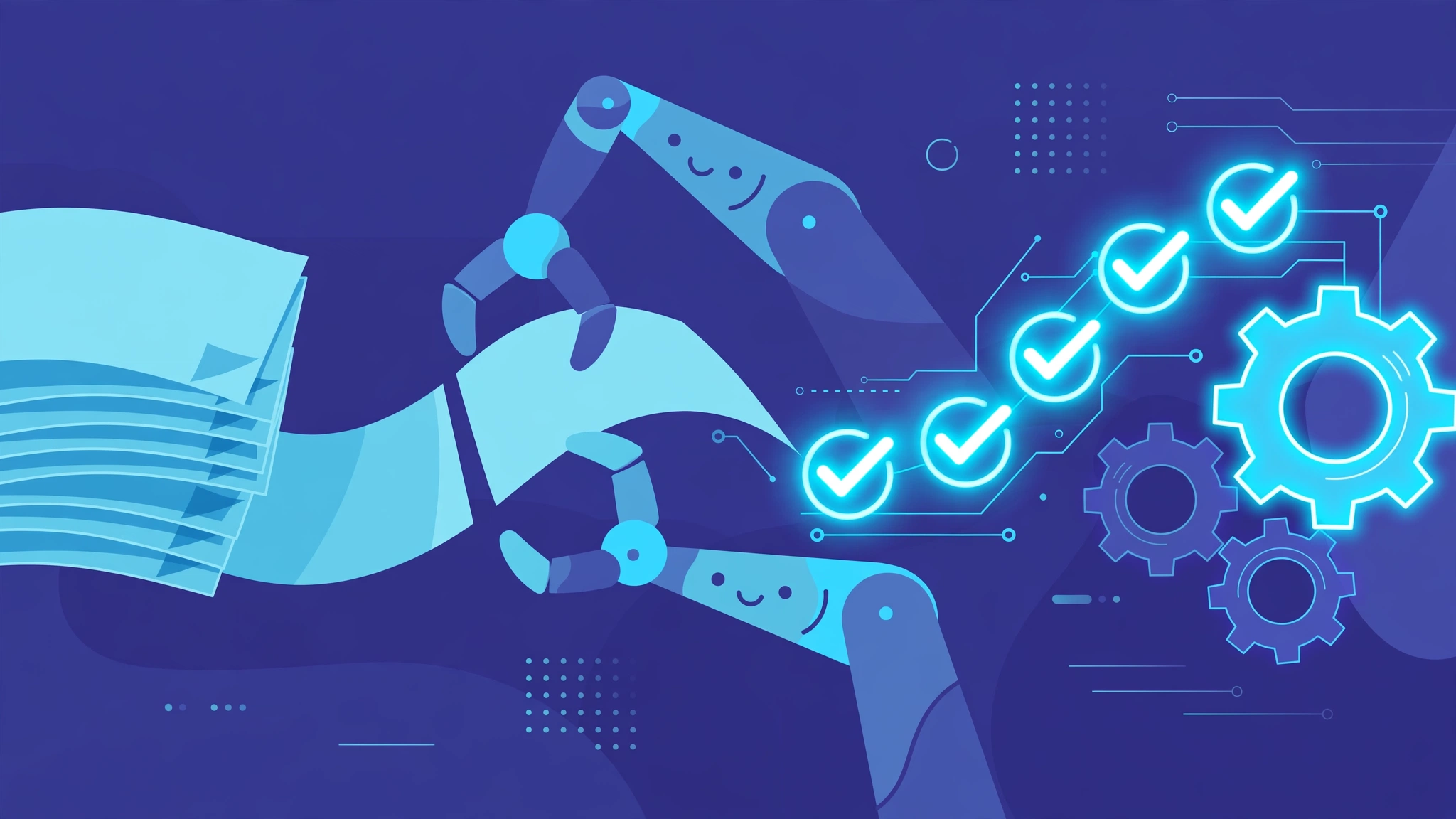
Droven io rpa is a phrase more business owners and office workers search every year, and for good reason. Robotic process automation, usually shortened to RPA, is one of the simplest ways to remove repetitive computer work from a team’s day. Instead of copying data between systems by hand, a software robot follows the same steps a person would, only faster and tirelessly. This guide explains what droven io rpa means, which tasks RPA handles well, and how a small team can start using it without a large budget.
The important thing to understand is that RPA does not replace people. It takes over the predictable, rule-based parts of a job, so people can focus on customers, decisions, and problems that need judgment. Used well, it reduces errors and speeds up routine work. Used badly, it can automate a broken process and create confusion faster than before, which is why planning matters as much as the tool itself.
What Is RPA?
RPA stands for robotic process automation. Despite the word robot, no physical machine is involved. A software robot is a program that opens applications, reads screens, types values, clicks buttons, and moves files, exactly as a human worker would. The difference is that it follows fixed rules and never skips a step. If a task always follows the same sequence and decisions, it is a good candidate for automation.
Many readers shorten the topic to droven rpa when searching for examples; the idea is the same: software handling routine digital chores. Droven.io covers RPA as part of its wider look at artificial intelligence and business automation, explaining concepts in plain language rather than vendor promises. The goal is not to sell a tool but to help readers judge whether automation fits their work.
Which Tasks Can RPA Automate?
The best RPA tasks are repetitive, high-volume, and rule-based. Common examples include copying invoice details into accounting software, updating customer records after an order, generating weekly reports from spreadsheets, and moving employee data between HR systems. These jobs are important but boring, and boredom breeds mistakes. A robot does not get bored, so it copies the same value the same way every time.
RPA also works well for checking work. A robot can compare two lists, flag mismatches, and send a summary to a human for review. This matters in finance, where a small error can be expensive, and in customer service, where order details must match. The rule is simple: if you can write the steps down clearly, a robot can probably follow them. If the task needs negotiation or creativity, it should stay with people.
RPA Tools and How to Choose One
There are many RPA tools, from simple desktop recorders to enterprise platforms. For a first project, the best tool is usually the simplest one that connects to your current apps. Look for a free trial, clear pricing, and good documentation. Avoid tools that require heavy coding unless your team already has those skills. The tool matters less than the process, so do not spend months comparing software before automating one task.
Security deserves attention from the start. A software robot often needs the same system access as a human employee, so give it only the permissions it needs, with a login separate from personal accounts. Ask how the tool stores passwords and logs its actions, and make sure someone reviews those logs regularly. A robot that quietly changes records without oversight is a risk, not a helper.
How to Start With RPA in a Small Team
Start with one task that everyone complains about. Write down its steps, time it, and count how often it happens each week. That gives you a baseline to measure improvement against. Build the automation for that single task, test it with real data alongside the old method for a week or two, and switch over fully only when the results match. Small, proven wins build trust for bigger projects.
If you are new to Droven.io, the Droven.io brand guide explains what the site covers and how to use it. Founders thinking bigger should read the Droven.io Ai Startup guide, and for a wider view of automation in American companies, see the Droven io ai automation in usa guide. You can also browse the latest articles from the Droven.io homepage, learn about the team on the About Us page, or send questions through the contact page.
Common RPA Mistakes to Avoid
The most common mistake is automating a messy process without cleaning it up first. If the steps are unclear or change weekly, the robot will fail or produce wrong results. Fix the process on paper before you automate it. Another mistake is automating too much at once. A large project that touches ten systems is hard to test and harder to fix. Start small, prove the value, and expand one process at a time.
A third mistake is forgetting the people who do the work today. Involve them early: they know where the process breaks and which exceptions occur. When staff help design the automation, they trust it and catch problems sooner. Automation should make their jobs easier, not feel like a threat.
Frequently Asked Questions
What is droven io rpa?
It is a way of describing robotic process automation through Droven.io’s coverage: software robots that carry out repetitive, rule-based tasks such as copying data, updating records, and generating reports.
Do I need to know how to code to use RPA?
Not for a first project. Many RPA tools use visual builders and recorders that let you define steps by demonstrating them once. Coding helps for complex cases, but simple tasks need no code.
How much does RPA cost a small business?
Many tools offer free trials or low monthly plans, and a one-process pilot is often affordable. The bigger cost is staff time for mapping and testing, so start with one task and measure the return.
Which tasks should not be automated with RPA?
Tasks that need judgment, negotiation, or handling unusual exceptions should stay with people. If the steps change often, or inputs are messy and unpredictable, automation will fail or create errors.
How is RPA different from AI?
RPA follows fixed rules, while AI learns from data and handles less predictable inputs. In practice they work together: AI reads a document or decides, and RPA carries out the resulting steps.
Keep reading: explore the Droven.io: Future of AI guide, the Droven.io ai mission guide, and the Droven.io ai solutions hub guide.

7 Comments