Introduction
An indoor playground needs more than slides, climbing structures, and colorful equipment to stand out in a competitive family entertainment market. The overall atmosphere plays an important role in how visitors experience the venue. Creative themes can transform an ordinary play area into an exciting environment where children feel encouraged to explore, imagine, and discover something new.
For business owners, themed playground design offers an opportunity to develop a recognizable identity and create attractions that families remember. A carefully planned concept can influence the equipment selection, interior decoration, activity zones, and marketing strategy. When these elements work together, the result can be a more engaging entertainment destination.
Why Themes Matter in Indoor Playground Design
Children are naturally attracted to environments that encourage curiosity and imagination. A themed playground can introduce a sense of adventure before visitors even begin using the equipment.
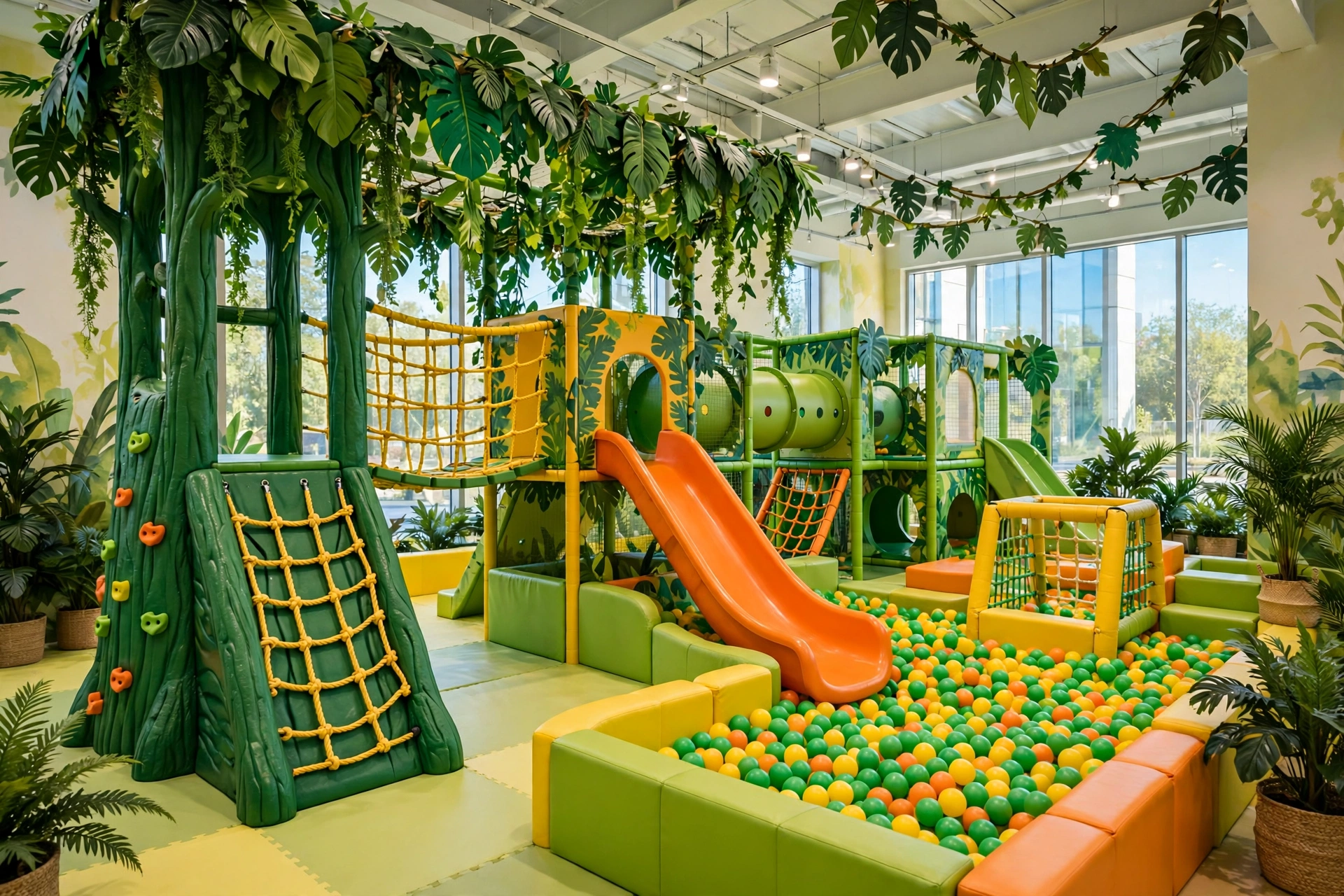
For example, a jungle-inspired environment might feature nature-inspired colors, animal illustrations, climbing structures, and exploration areas. A space-themed playground could use planets, stars, rockets, and futuristic decorative elements to create a different atmosphere.
Themes also help businesses establish a distinctive visual identity. Instead of presenting a collection of unrelated attractions, the venue can offer a connected experience that customers recognize.
A strong theme may also make promotional activities easier. Consistent colors, characters, decorations, and photography can be used across the website, social media pages, signage, and printed materials.
However, a theme should support the play experience rather than simply decorate the building. The best concepts connect visual design with practical activities and the needs of the intended audience.
Exploring Popular Indoor Playground Themes
There are many possible directions for themed entertainment spaces. The right choice depends on the target age group, available floor area, business concept, and local customer interests.
Jungle and Nature Adventure
Nature-inspired playgrounds can introduce children to an imaginative outdoor world while providing an indoor recreation experience.
Decorative trees, animal illustrations, leaf patterns, and nature-inspired colors can establish the atmosphere. Climbing structures, tunnels, bridges, and exploration activities can complement the concept.
This theme works particularly well when different sections represent different parts of an imaginary forest. Operators can use visual details to make the environment feel connected without overcrowding the space.
Space and Science Exploration
A space-themed playground can create an environment inspired by planets, astronauts, rockets, and distant galaxies.
The design may include planet graphics, star patterns, futuristic colors, and interactive elements. Activity areas can be given names related to exploration and discovery, helping children feel as though they are taking part in an adventure.
The concept can also support educational experiences through simple displays about planets, stars, and the solar system.
Underwater World
An underwater theme can use ocean colors, sea-life illustrations, coral-inspired decorations, and wave patterns.
Different play zones might represent an imaginary ocean journey, with children moving between sections designed around marine exploration. The theme can be visually engaging without requiring complicated decoration.
Operators should ensure that decorative features do not obstruct visibility or interfere with equipment access.
Fantasy and Adventure
Fantasy themes can create opportunities for imaginative play. Castles, magical forests, treasure maps, and adventure-inspired settings can encourage children to invent stories and explore different areas.
The concept can also be adapted for special celebrations, seasonal decorations, and themed events.
Connecting the Theme with Equipment Selection
A successful themed playground should feel consistent from one activity area to another. Equipment, colors, flooring, wall graphics, and decorative elements should support the same overall concept.
Start by identifying the main activities the business wants to offer. Once the attraction categories are established, designers can determine how each section will fit into the chosen theme.
For example, a jungle concept may use climbing structures as imaginary treehouses, while an underwater design may incorporate ocean-inspired colors around its activity zones.
It is important to balance creativity with usability. Children need clear access to attractions, while parents and employees need good visibility across the facility.
When exploring commercial equipment options, working with an experienced Indoor Playground Manufacturer can help business owners discuss design possibilities, available space, and the practical requirements of a themed concept.
Provide the supplier with a floor plan, target age groups, expected visitor numbers, and examples of the desired visual style. This information can help make the planning process more focused.
Creating a Balanced Mix of Attractions
A visually impressive playground still needs activities that keep visitors engaged. A balanced attraction mix gives children different ways to play and helps the business appeal to a wider audience.
- Consider including:
- Climbing activities: Encourage movement, coordination, and exploration.
- Slides and tunnels: Add variety to the physical play experience.
- Interactive games: Introduce activities that involve observation and problem-solving.
- Imaginative play zones: Encourage creativity and social interaction.
- Dedicated toddler areas: Provide suitable activities for younger visitors.
- Group attractions: Create opportunities for children to participate together.
The selection should reflect the venue's size and intended audience. Too many attractions can make the environment crowded, while too few may limit the variety of experiences.
Each activity should have a clear purpose within the overall design. A well-organized layout makes the facility easier to navigate and helps visitors understand what the playground offers.
Incorporating Trampoline Attractions into a Theme
Trampoline areas can become an important feature of an indoor entertainment venue. They offer a different type of physical activity and can complement other attractions when integrated thoughtfully.
Themed decorations can make a trampoline zone feel connected to the wider playground concept. For example, a space-themed venue might use planet-inspired graphics, while an adventure concept could incorporate exploration-inspired signage.
However, the visual design should never interfere with the practical requirements of the attraction. Clear boundaries, appropriate supervision, operating instructions, and suitable visitor flow remain essential.
Businesses considering a dedicated jumping area can discuss their requirements with a Trampoline Park Equipment Manufacturer. The intended audience, available space, attraction mix, and operating model should all be considered before finalizing the layout.
A trampoline zone should also fit naturally into the wider facility. Visitors who prefer quieter or less physically demanding activities should still have other engaging options.
Designing Themes for Different Age Groups
A theme may appeal to younger children but feel less interesting to older visitors. This is why age suitability should be considered during the design stage.
Toddler areas can use friendly colors, simple shapes, and imaginative elements that are easy to recognize. Activities should be appropriate for younger users and separated from more energetic attractions where necessary.
- Older children may prefer more challenging climbing features, interactive experiences, competitive games, or adventure-inspired activities.
- For facilities serving several age groups, different zones can share the same overall theme while offering different levels of activity.
- This approach creates a consistent visual identity without expecting every visitor to enjoy the same attractions.
Parents should also be considered. Comfortable seating, clear signs, accessible routes, and convenient facilities help make the venue more practical for family visits.
Using Lighting, Colors, and Sound Effectively
Lighting and sound can influence the atmosphere of a themed playground. These elements should support the concept while keeping the environment comfortable.
Colors can help distinguish activity zones and reinforce the visual identity. However, excessive patterns and competing decorative elements can make a space feel confusing.
Lighting should provide suitable visibility throughout the facility. Decorative effects may be used in selected areas, but they should not create unnecessary distractions or interfere with supervision.
Sound design also requires balance. Background music and themed sound effects can add atmosphere, but excessive noise may make communication difficult for families and employees.
The goal is to create an environment that feels exciting without becoming overwhelming.
Keeping the Theme Fresh Over Time
A themed playground does not need to remain visually unchanged throughout its operating life. Small updates can help maintain customer interest without requiring a complete redesign.
Seasonal decorations, holiday events, themed birthday packages, and temporary activity stations can introduce variety. Businesses can also refresh wall graphics, promotional displays, and selected decorative features when appropriate.
Customer feedback can help identify which areas are most popular and where improvements may be useful.
Before making major changes, operators should review the cost, maintenance requirements, and effect on daily operations. Any update should preserve clear pathways, visibility, and the intended use of the equipment.
Promoting a Themed Entertainment Destination
A distinctive theme gives businesses useful material for marketing. High-quality photographs, short videos, and virtual tours can help parents understand the venue before visiting.
The website should explain the main attractions, age suitability, available facilities, and booking options. Social media content can highlight individual activity zones, special events, and birthday celebrations.
Consistent branding across online and offline channels makes the business easier to recognize. It also helps create a clear message about what makes the venue different from other local entertainment options.
Customer reviews and genuine visitor photographs, shared with permission, can provide additional insight into the experience.
Conclusion
Creative themes can turn an indoor playground into a memorable family entertainment destination. By connecting visual design with suitable equipment, varied activities, and a practical layout, business owners can create an environment that encourages children to explore and families to return.
The most effective themed playgrounds balance imagination with functionality. Careful planning, age-appropriate attractions, comfortable facilities, and consistent branding help ensure that the concept works as a real commercial venue rather than simply an attractive interior.
With the right approach, a distinctive theme can become an important part of the playground's identity and long-term appeal.