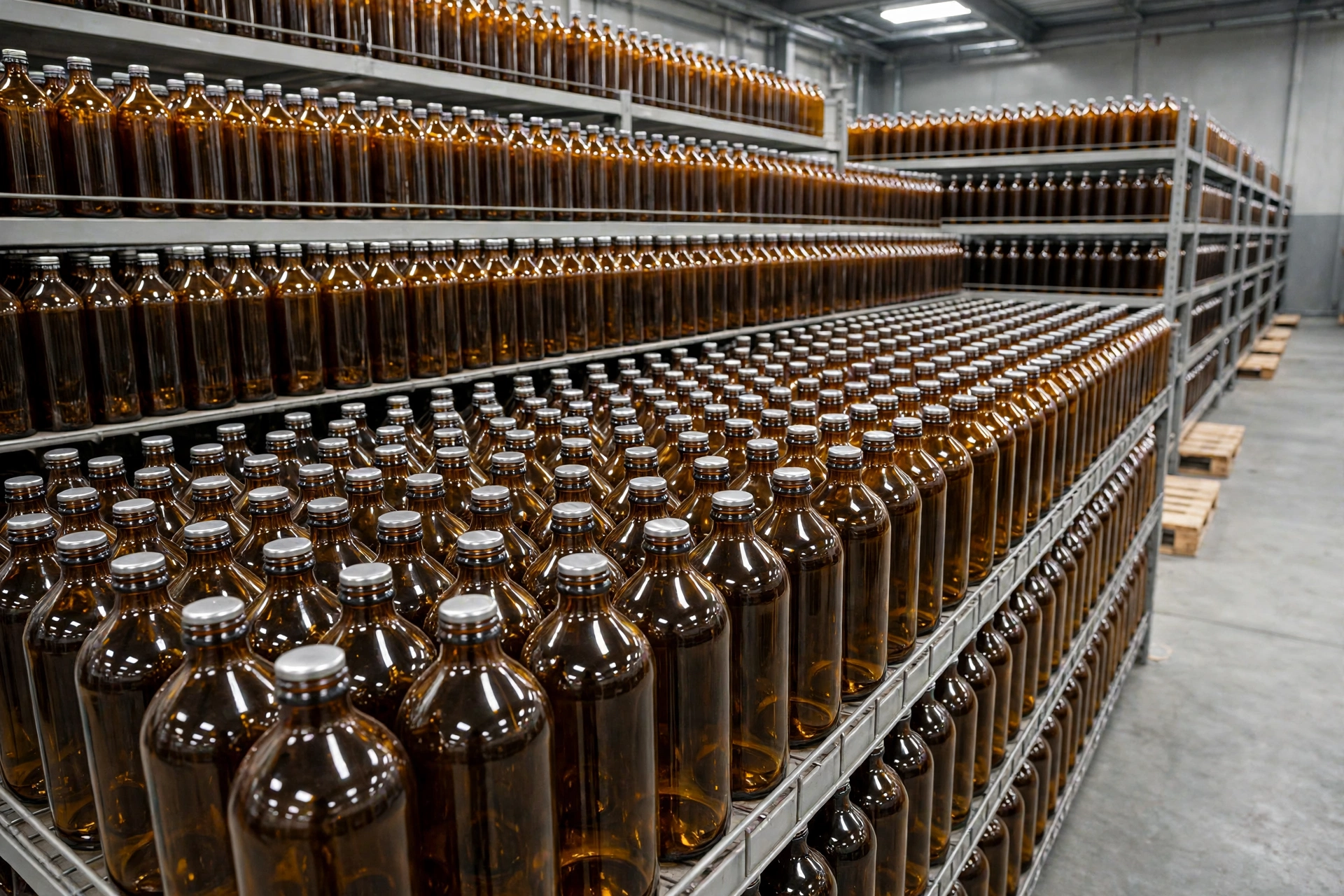
When It Is Time to Buy Terpenes in Bulk
Most brands start by ordering terpenes in small bottles. That works during development. But once a product is selling steadily, small orders become a drag on margin and operations. Every reorder takes time, unit prices stay high and there is always a risk of running out mid-production.
Buying in bulk solves these problems, but it introduces new ones. Order too much and volatile inventory degrades on the shelf. Order the wrong profile and you are stuck with liters of a flavor customers did not love. Choose the wrong supplier and you lock yourself into inconsistent batches.
This guide is for manufacturers ready to move from sample-scale to production-scale purchasing. It covers how to forecast what you need, how wholesale pricing works, how to compare true costs and what to ask before signing a supply agreement.
Signs you are ready for bulk purchasing
- You have at least one SKU with predictable monthly sales.
- You reorder the same terpene profile more than once a quarter.
- Terpene cost is a noticeable line in your cost of goods.
- You have had at least one production delay because terpenes ran out.
- Your formulation is locked, and you have completed shelf-stability testing.
- If you tick three or more, it is time to talk to suppliers about wholesale terms.
Start with a volume forecast
- Before requesting quotes, build a simple forecast for each profile you use. You need four numbers:
- Units per month you expect to produce.
- Fill volume per unit, such as 1 mL per cartridge or 10 mL per tincture bottle.
- Inclusion rate, meaning the percentage of terpenes in your formula.
- Coverage period, meaning how many months of supply you want to hold.
- The math is straightforward:
- Terpenes needed (mL) = units × fill volume × inclusion rate × months
For example, 10,000 one-milliliter cartridges per month at an 8% inclusion rate need about 800 mL of terpenes per month. Three months of coverage is roughly 2.4 liters, before adding a buffer for testing and waste.
Entour's free terpene blending calculator can help you run these numbers for each blend. Once you know your volumes, you can buy terpenes in the right quantities instead of guessing.
Why coverage period matters
Terpenes are volatile, so holding a year of stock is rarely wise. Most manufacturers aim for a few months of coverage, balancing price breaks against freshness. Follow the supplier's storage guidance and shelf-life recommendations, and see Terpene Storage and Shelf Life for practical tips.
How Bulk Terpene Pricing Works
Wholesale terpene pricing usually follows volume tiers. The more you buy per order, the lower the price per milliliter or per kilogram. Beyond volume, several factors shape your quote:
- Source type: botanical blends cost less than cannabis-derived or live-style profiles.
- Blend complexity: profiles recreating many compounds take more development and raw materials.
- Exclusivity: custom or exclusive formulations carry development costs.
- Packaging size: larger containers often cost less per unit of volume but increase oxidation risk once opened.
- Order frequency and commitment: annual volume commitments can unlock better pricing.
Calculate cost per finished unit, not per bottle
The most common mistake when comparing quotes is focusing on price per liter. The number that actually affects your margin is terpene cost per finished unit.
Cost per unit = price per mL × fill volume × inclusion rate
A more concentrated, higher-quality blend may need a lower inclusion rate to hit the same flavor intensity. That can make it cheaper per cartridge even if it costs more per bottle. Always test competing blends at the inclusion rate each one actually needs, then compare.
- What to compare
- Why it matters
- Price per mL at your tier
- Baseline material cost
- Required inclusion rate
- Drives real consumption
- Cost per finished unit
- The number that hits your margin
- Batch consistency
- Avoids reformulation and returns
- Shelf life
- Determines how much you can safely stock
- Documentation included
- Saves testing and compliance cost
Understand minimum order quantities
Minimum order quantities (MOQs) vary by supplier and product. Catalog blends often have low or no MOQs, while custom formulations usually require a minimum commitment to cover development. Ask each supplier:
- What is the MOQ for catalog blends and for custom work?
- Can MOQs be split across several profiles?
- Do price tiers apply per blend or per total order?
- If you produce many SKUs with modest volume, a supplier that lets you combine profiles toward a pricing tier can save significantly.
Wholesale terms to negotiate
- When you buy terpenes at scale, the agreement matters as much as the price. Discuss:
- Pricing lock for a fixed period.
- Lead times for standard and rush orders.
- Batch reservation so your profile is held for scheduled releases.
- Documentation delivered with every shipment, including the batch COA.
- Change notification if the supplier ever adjusts a formula or raw material source.
- Payment terms once you have an established account.
- Entour offers dedicated wholesale arrangements for brands ready to scale, and works with clients directly on custom formulations.
Logistics: shipping and receiving terpenes
Terpenes are concentrated and often flammable, so shipping follows specific hazardous materials rules. This can affect carrier choice, packaging, cost and delivery time. Plan for:
- Hazmat-compliant packaging and labeling from the supplier.
- Temperature exposure during transit, especially in summer.
- Receiving checks: confirm seals are intact, labels match the order and batch numbers match COAs.
- Immediate storage in a cool, dark area per the SDS.
- Budget extra lead time for international or cross-border shipments, where regulatory paperwork can add days or weeks.
10 Questions to Ask Before You Buy Terpenes in Bulk
- How are your strain profiles developed, and who formulates them?
- Can you provide a batch-specific COA, SDS and TDS for every shipment?
- How do you keep flavor consistent between batches?
- What are your pricing tiers, and can I combine blends to reach them?
- What are your MOQs for catalog and custom blends?
- What are standard lead times, and do you offer rush production?
- Will you notify me before changing a formula or raw material source?
- What container sizes are available, and what do you recommend for my volumes?
- What shelf life and storage conditions do you recommend?
- Can you share case studies or references from brands in my category?
A supplier with a strong scientific base will answer these confidently. Entour, for example, builds blends through The Werc Shop's analytical lab, publishes case studies and supports brands across vapes, edibles, beverages, tinctures, topicals and more.
Common Bulk Buying Mistakes
Scaling before testing
Never place a bulk order based on a smell test. Run pilot batches in your actual product and complete stability testing first.
Overbuying to chase a price break
A lower unit price is worthless if a third of the stock degrades before you use it. Match order size to realistic consumption over a few months.
Ignoring inclusion rate
Comparing suppliers on price per liter alone can lead you to a blend that is cheaper per bottle but more expensive per unit.
Single-sourcing without a backup plan
Even reliable suppliers can face delays. Keep safety stock for your bestsellers and maintain a clear reorder point.
Poor receiving controls
Skipping batch-number checks against COAs is how mislabeled or contaminated material ends up in production.
Opening large containers repeatedly
Each time a large drum is opened, oxygen and humidity get in. Decant into smaller, sealed containers to protect the remaining stock.
A Simple Bulk Purchasing Workflow
- Finalize the formulation using samples.
- Forecast monthly volume and choose a coverage period.
- Request quotes from shortlisted suppliers at your expected tiers.
- Compare cost per finished unit and documentation.
- Negotiate terms, lead times and change notification.
- Place the first bulk order and verify COAs on receipt.
- Track consumption and set automatic reorder points.
- Review supplier performance every quarter.
Frequently Asked Questions
What is the best way to buy terpenes wholesale?
Buy directly from the formulator rather than a reseller. You will usually get better pricing, fresher stock, full documentation and technical support.
How much should I keep in stock?
Most manufacturers hold enough for a few months of production plus a safety buffer, depending on shelf life and lead times. Avoid stockpiling far beyond realistic use.
Can I get samples before a wholesale order?
Yes, and you should. Entour's build-your-own sample pack includes any six blends in 5 mL bottles for $80, which is ideal for bench testing before committing to volume.
Do bulk terpenes taste different from small bottles?
They should not, if the supplier controls batch consistency. Always compare the COA and run a quick sensory check on each new bulk batch.
Can I lock in a custom blend for my brand?
Many suppliers offer custom formulation with volume commitments. See Custom Terpene Formulation vs Off-the-Shelf Blends for when this makes sense.
Conclusion
Buying terpenes in bulk can lower your cost of goods, reduce production delays and give your brand a consistent flavor customers can count on. The key is to forecast carefully, compare cost per finished unit, negotiate clear terms and verify every batch.
When you are ready to scale, buy terpenes from a partner with the science and capacity to grow with you. Entour has supplied brands across the United States and Canada since 2010, with 150+ blends, full documentation and wholesale pricing. Visit Entour Brand to discuss your volumes, and return to Buy Terpenes: The Complete 2026 Buyer's Guide for the full series.
Disclaimer
This article is for general information and educational purposes only and does not constitute medical, health, or legal advice. Terpene and related products may be regulated or restricted in some regions, so please check your local laws before purchasing, storing, or using them, and always use such products responsibly and at your own risk. The author and this website accept no responsibility for any loss, damage, or issue arising from reliance on the information provided here.